
Poverty VS Disaster
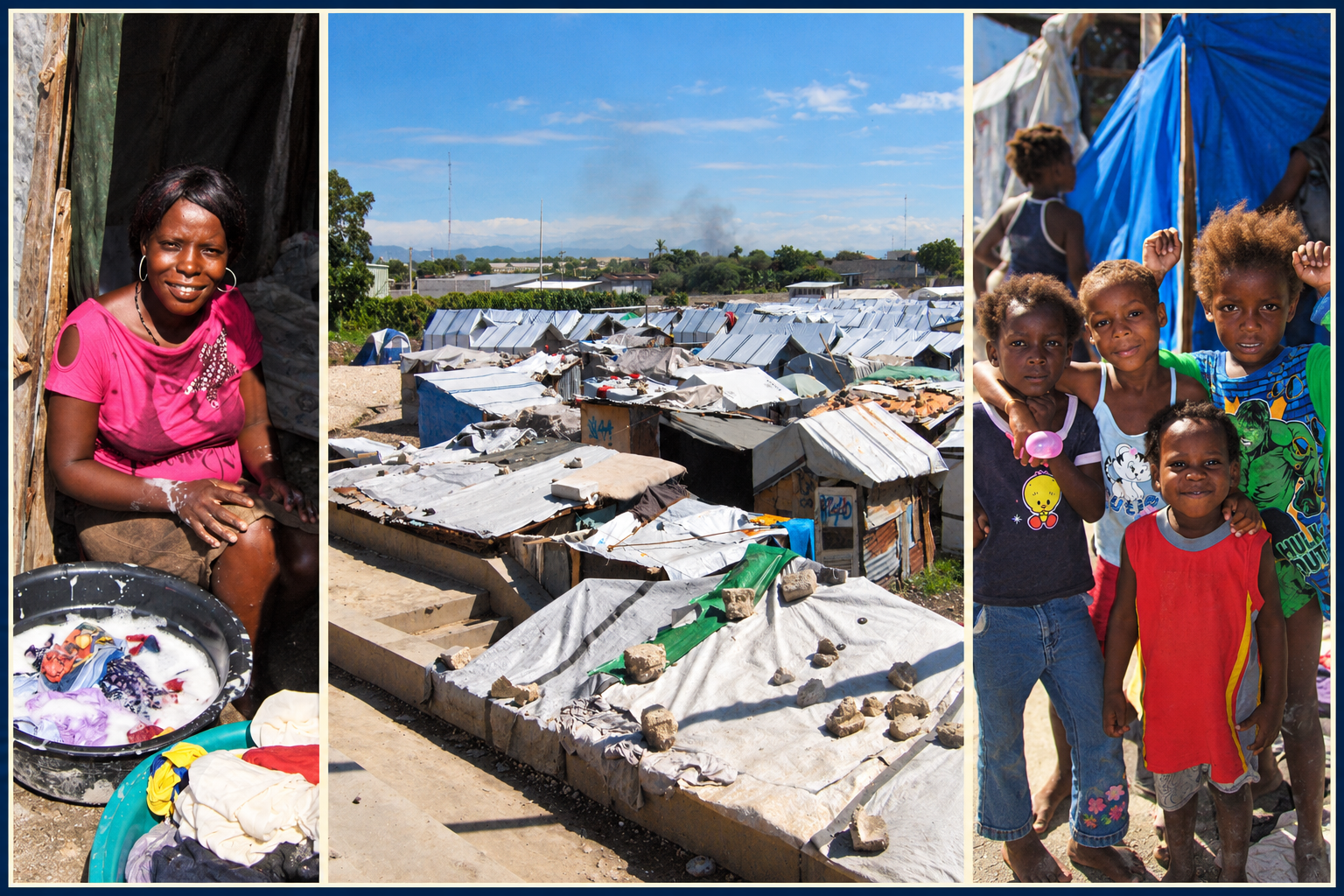
Understanding Poverty Beyond America
I had served in some of the most financially difficult places in America and thought I understood poverty. Then I began traveling outside the United States and saw that people in many other countries were far worse oƯ than even those who are homeless or struggling here in the U.S. In some countries, the poor still live on dirt floors, with chickens inside rustic cabins made from scrap materials. People walk miles to gather water in five-gallon buckets and large jugs to bring home for their families’ needs.
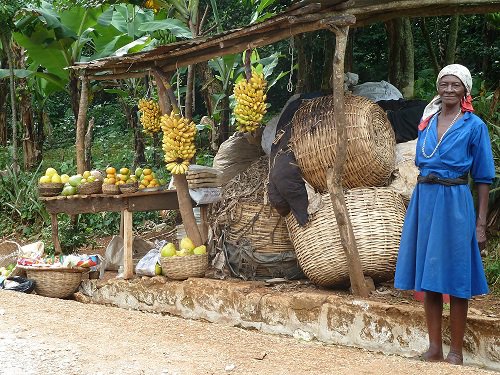
Roadside Grocery Store
Disaster Response in Haiti
I remember going to Haiti shortly after the earthquake and tsunami to teach disaster mental health and crisis intervention to missionaries who would be comforting survivors. Despite the terrible losses they had endured—their homes and businesses
collapsed, family members missing, and thousands of people buried in collapsed buildings were some of the most cheerful and kind people I had met in a long time. Heavy rain flooded the tent cities, and residents lost the few belongings they had saved under dirty, unsanitary water.
As I taught, two bilingual translators helped ensure the missionaries understood everything in English, French, and Haitian Creole. Over time, the translators became students themselves. I gave them the same books and tools as everyone else, and they sat through every class, listening closely and connecting the material to their own
experiences. Although they were working because they needed to eat, they also had aunts, uncles, relatives, and friends missing and believed to be trapped in collapsed buildings. No one knew what tomorrow would bring.
Life in the Tent Cities
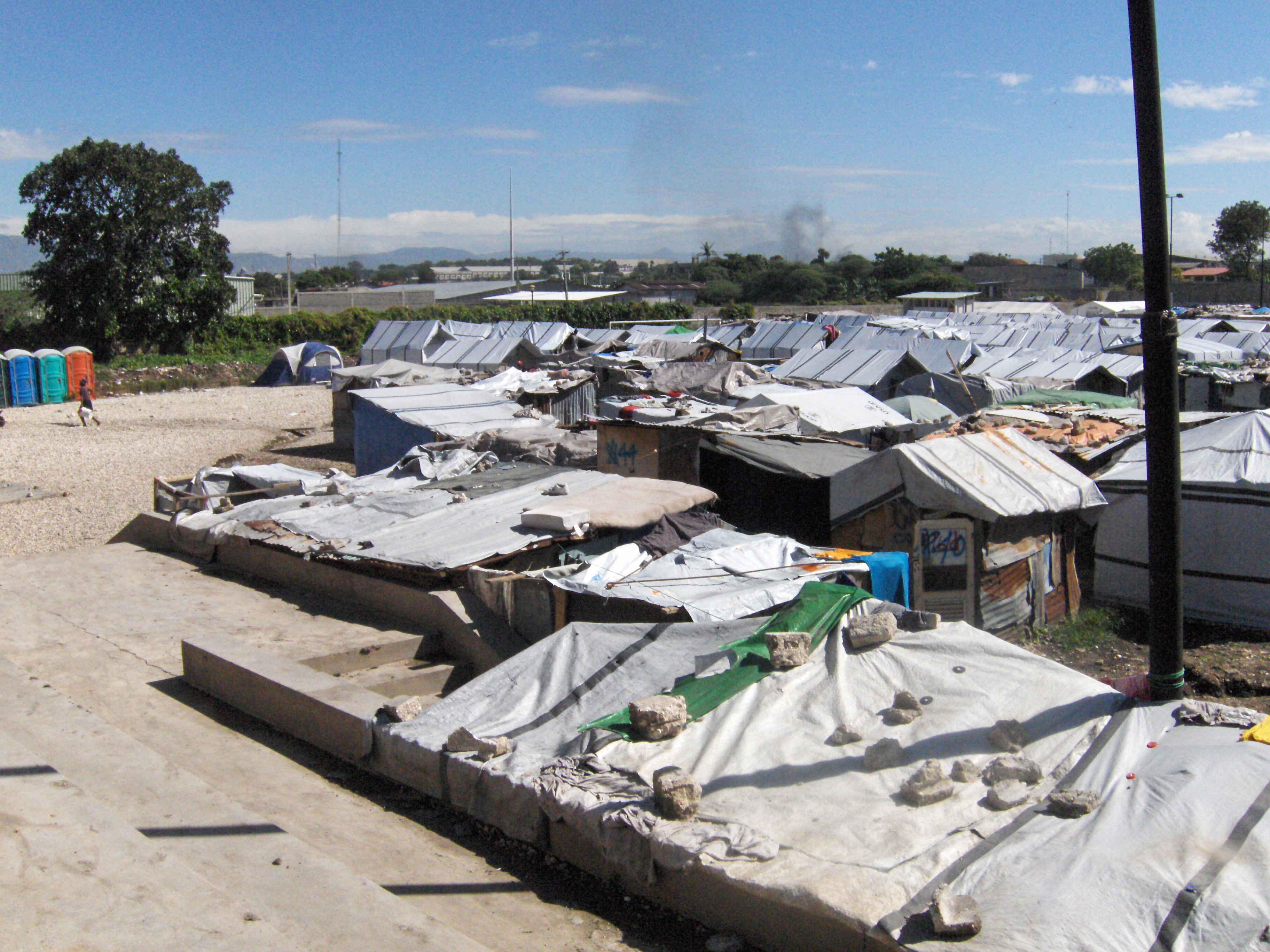
Thousands were living in tent cities, many with only one water spigot for every thousand people. Conditions were miserable.
As a Salvation Army officer, I was able to visit the tent city the Salvation Army had set up in what had been a major soccer stadium. It had been quickly converted into a clean, organized place for families, with tents on wooden floors to keep out mud and water,
reliable running water, and a clinic staffed by doctors and nurses. around the clock.
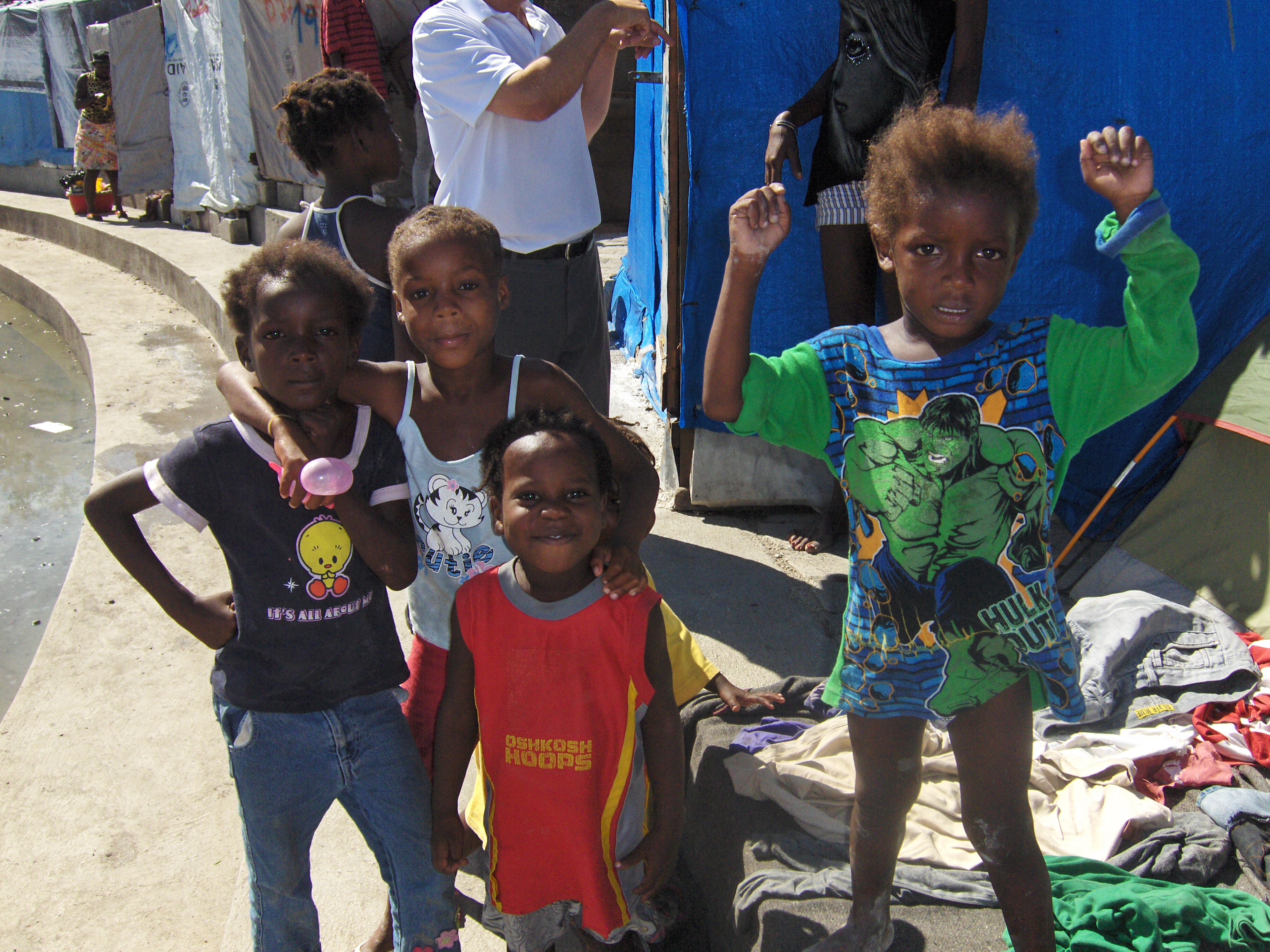
I also visited neighborhoods where people remained in damaged buildings instead of moving to tent cities because they feared someone would steal the few belongings they had left. It was traumatic to see families living for months in 10-by-10 tents made of
semi-waterproof tarps, sometimes with as many as ten people inside. Yet they continued with daily life. They went to church, and school was provided for those who wanted to attend. There was still a sense of order.
Poverty Versus Disaster
Each tent city provided some food, but the Salvation Army site offered hot meals three times a day, giving people more support than almost anywhere else in the country. Because the Salvation Army had been in Haiti for many years and was well established and trusted, it was better able to get the resources needed to serve people.
Grief, Loss, and Uncertainty
The greatest challenge was that many people believed they would never see their lost loved ones again. Even if their loved ones had died, they still wanted the bodies so they could hold funerals. But the buildings were so badly destroyed, and there were so few tools, power tools, trucks, and other resources, that months later only a fraction of the collapsed buildings had even been searched. The situation was overwhelming.
My purpose there was to provide training to the missionaries that were living in Haiti to provide them tools and support as they helped the disaster victims.
Resilience Without Reliable Government Support
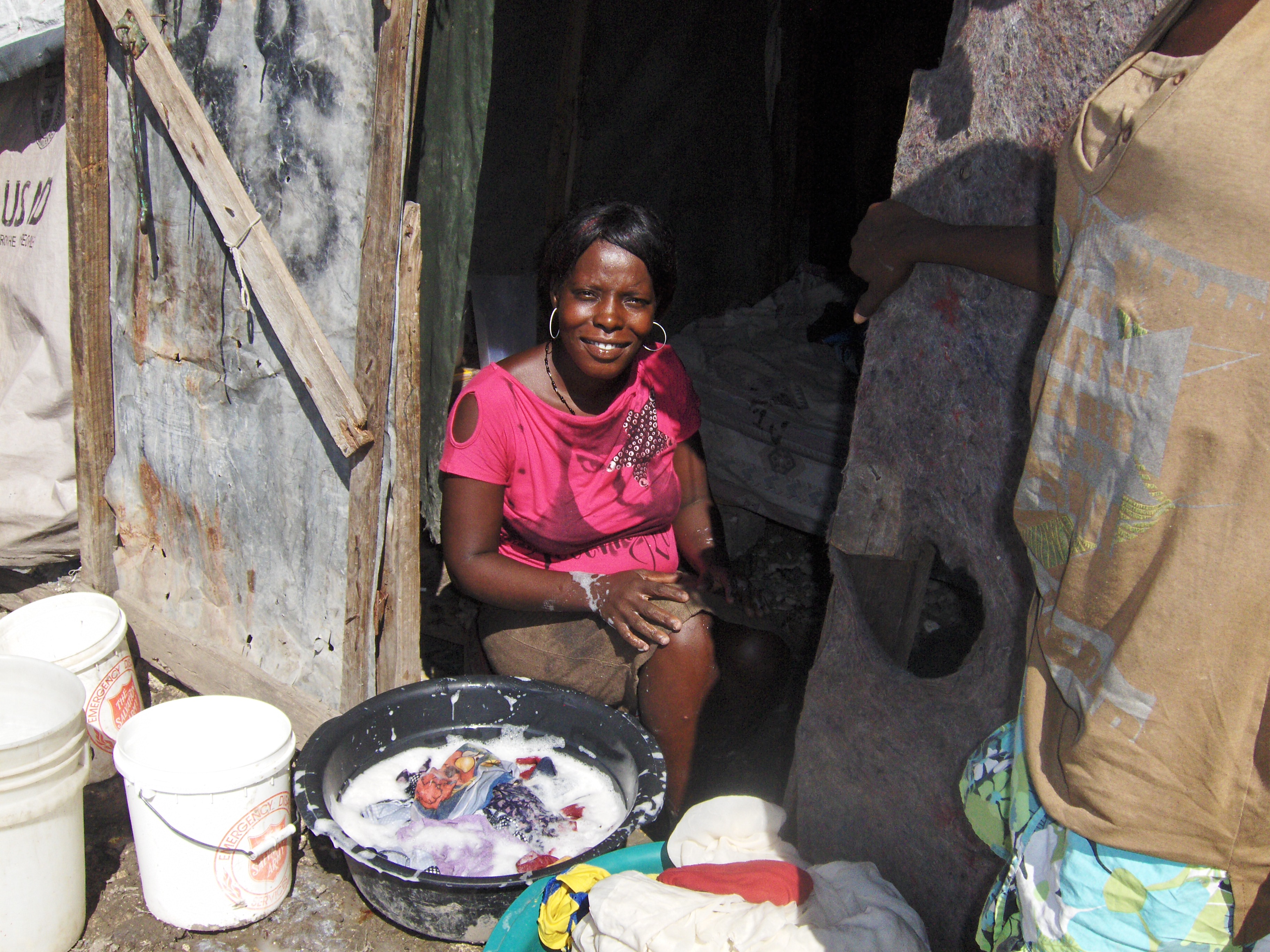
It broke my heart to see how diƯicult life was for them, yet they still had hope and believed in a better tomorrow. Their country had been marked by poverty and upheaval even before the disaster, and their government had been corrupted for generations, so they did not look to the government for help. Instead, they fished, planted, grew food, and did whatever they could to survive.
There were no reliable social services or government programs to sign up for—no aid available on any day of any month or year. The countries and organizations that came in to provide help were deeply appreciated because there was no other way to meet those needs. Even before the disaster, however, the help was not enough.
After the disaster, the need became so great that it was nearly impossible to provide all the necessary resources. Still, they kept trying.
The Local Community and Church’s Responsibility
As a country, we need to consider whether churches and local communities should take on more responsibility for feeding, clothing, and providing social services. Too often, benefits can discourage people from seeking work or preparing for hardship,
leaving them unready when disaster comes. That does not mean everyone who has struggled is unwilling to work; many people facing hard times are hardworking. But where I live, I see many homeless people who have no interest in working. Even if they were given an apartment and a job, some would soon decide it was too much
trouble and return to the streets.
How Haiti Changed My Worldview
In Haiti, I saw something profoundly diƯerent from anything I had experienced before. I have been to many countries and witnessed hardship, but nothing matched the level of suffering I saw there.
Haiti is statistically one of the most poverty-stricken countries in the world. Friends from India who had done missionary work in Haiti told me they went there to understand how people in deep poverty truly lived.
They explained that in India, there is work for anyone willing to get out and do it; if someone refuses to work and their family does not care for them, they are largely on their own. When people from Haiti come to the United States—whether in their 30s, 40s, or younger—they know they will have things they never had before: jobs, income,
and opportunity. They also know they must work for them. For many, that is a shock because they have never had to function at that level.
A Warning and a Call to Prepare
What I saw in Haiti changed my worldview forever. I do not know exactly when, but I believe struggle is coming for our country. If we continue taking life easy instead of working hard and preparing for difficult days, we may not become Haiti, but life here could become harder than anything we have known since the Great Depression.
The church and local communities need to grow, become responsible, and serve. As God has loved us, we need to love others.
As God has provided for us, we should help provide for others in every way we can.
David W Ebel
The Higher the Pedestal the Harder the Fall


 YouTube


